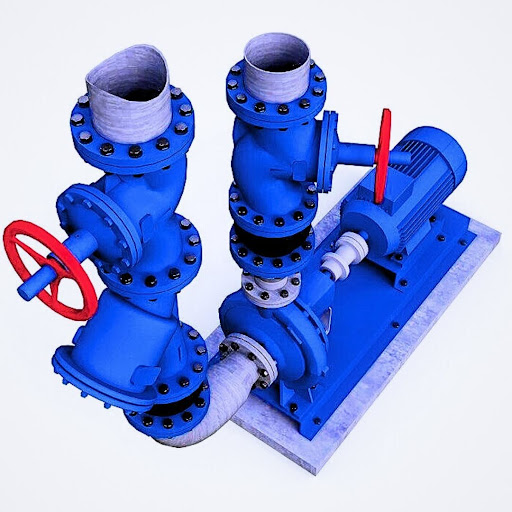
Water pumps are important used in irrigation for farming; they help farmers ensure their crops get the water required for their growth. Choosing the right pump will definitely create a huge difference in terms of efficiency and cost. With a large number of choices on hand, choosing the ideal transfer pump set for your irrigation can be daunting. This guide will take you through the necessary variables you should consider in selecting an irrigation pump to make the process simple.
The type of water pump set used largely determines the efficiency of the irrigation system. A suitable pump ensures continuity in the water flow, with less energy consumption and minimum wear and tear of equipment. An unsuitable pump results in inefficiency, increasing costs and at times even affecting crop quality due to the non-uniform supply of water.
The type of water source will affect your choice of a pump. Common agricultural irrigation sources of water include:
A properly maintained pump is one that operates more efficiently since it tends to require less energy to deliver similar performances. By using less energy, it means that the cost of energy consumed would be lower, and the wear and tear on the pump would be minimal, hence increasing its life expectancy.
Flow rate, which is the amount of water that your irrigation system requires; this is normally expressed in liters per minute or cubic meters per hour. Consider the following in getting your estimate:
Choose a pump that can meet or exceed these flow rate requirements for efficiency.
The total head will be the vertical distance through which the pump must pump water, added to any friction losses in the pipes. It includes:
Suction Head: This is from the source of water to the pump.
Discharge Head: This will be from the pump to the farthest point of irrigation. Accurately determining the total head will ensure that the chosen pump is capable of sustaining the required water pressure.
The following types of pumps can be applied in farm irrigation, including:
Centrifugal Pumps: Suitable for large-scale irrigation since they can provide high flow rates.
Submersible Pumps: Great for deep wells and underground sources of water.
Diesel or Electric Pumps: One has to choose between the two, depending on his power availability and cost of use.
The farmers are to consider a water pump set Dubai that addresses regional needs.
A pump with high energy efficiency will save you money in the long term through reduced electricity or fuel costs. Look for pumps with high-efficiency ratings and state-of-the-art features, such as variable speed drives, for adjustment of the pump output with your irrigation requirements.
Agricultural pumps have to bear a high level of dirt, debris, and fluctuating water quality. The water transfer pump set made from sturdy materials such as stainless steel or cast iron will be able to bear the conditions. Besides, maintenance-friendly pumps with easily available spare parts are preferable.
It means that if you have to move the pump frequently across the fields or various water sources, then a portable transfer water pump set is the best option. This sort of pump is lightweight and thus easy to carry and arrange; hence, it is appropriate for variable farming activities.
Choosing the proper pump for irrigation in agriculture has a number of benefits:
Selection of the appropriate water pump set for irrigation is one of the most critical aspects in agriculture, since if not rightly chosen, it can drastically hamper the productivity and profitability of your farm. Understand your source of water, compute flow and head requirements, and go for energy efficiency and durability during selection.
Whether to select and buy the best quality water pump sets for agricultural use or to guide you, we at Falcon Pumps are here to help. Be it a transfer pump set or a robust water pump set, Dubai, we have an expert team who can help you with every need. Contact Falcon Pumps today and ensure that your farm will have the best irrigation solution.
